Independent technical SEO consultant
Technical SEO consultant for crawlability, indexation, and AI search visibility
Most tools can run a crawl. The harder job is deciding which technical issues are actually costing your team rankings, traffic, or AI search visibility, and what should ship first. I work across crawlability, indexation, hreflang, canonicals, structured data, Core Web Vitals, and rendering, then turn the findings into a roadmap your developers can use. For tighter-scope entry points, start with a technical SEO audit service or SEO migration service.
I have worked through audit backlogs, hreflang conflicts, migration risk, and developer QA for growth-focused teams.
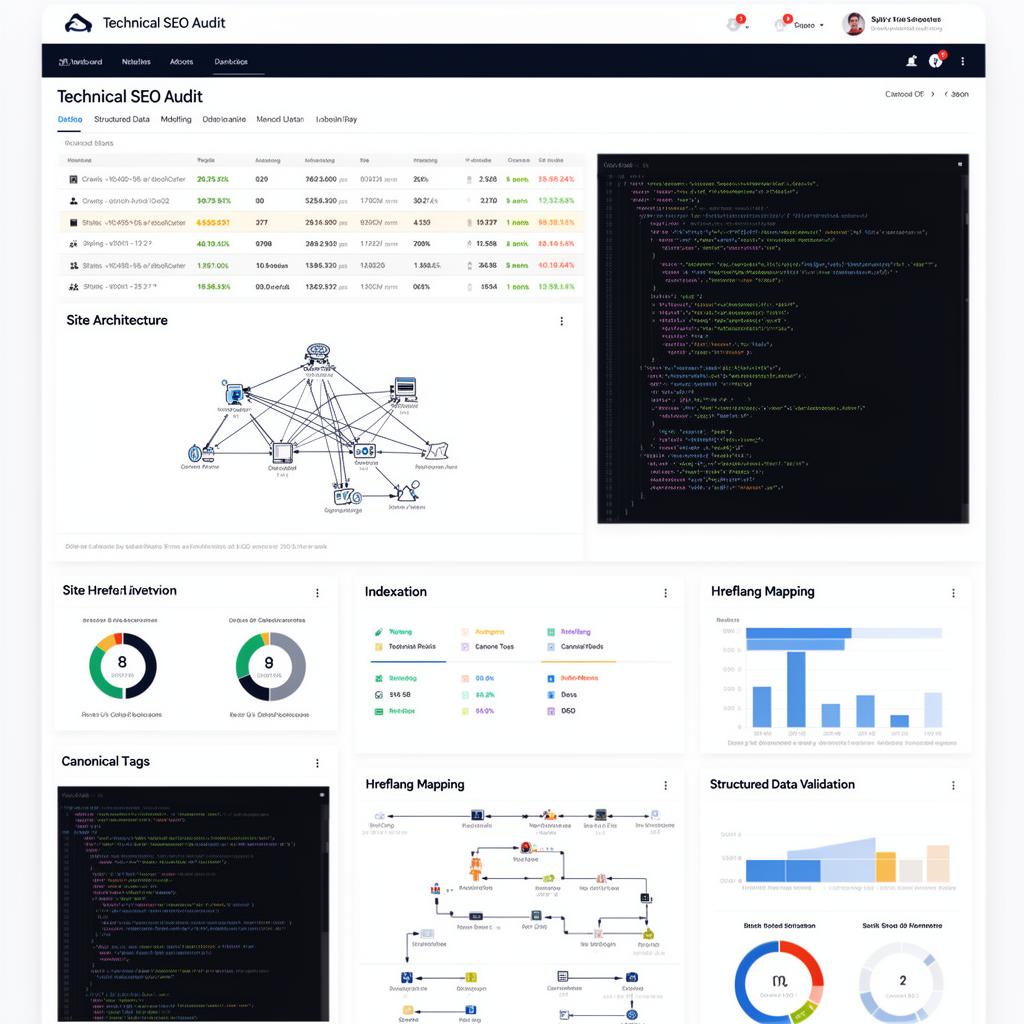
Technical SEO that helps teams fix what actually matters
A crawler tool can find technical issues in minutes. Screaming Frog, Semrush, and Google Search Console will all hand you a list. What they can't do is tell you which five items on a two-hundred-line report are actually costing you rankings, and which are cosmetic. That judgment call is the real job of a technical SEO consultant — I use the same tools everyone else does, but the output is a short, ranked list of what to fix first, not a report that gets read once and filed away.
Most engagements start when something has already gone wrong: a migration or redesign caused a traffic drop, Google Search Console is flagging crawl or indexing errors, an important section of the site isn't ranking despite good content, or a JavaScript framework is rendering differently than expected. In each case, the work is the same: look closely at site structure, templates, metadata, canonicalization, hreflang, internal linking, rendering behavior, and structured data, then trace the technical cause back to the business symptom.
Across past audit work, I've assessed issues such as duplicate titles, duplicated or missing H1s, non-sequential headings, duplicate H2s, low-content pages, oversized images, missing alt text, noindex conflicts, non-200 hreflang URLs, weak anchor text, missing canonicals, incorrect sitemap URLs, structured-data gaps, rendering limitations, and unresolved redirect or 404 issues.
Best fit
Sites with crawl, indexation, rendering, internal-link, canonical, hreflang, or migration risk that needs prioritization instead of another issue dump.
Core checks
Crawlability, indexation, redirects, canonicals, templates, structured data, visible HTML, and the way those signals affect commercial page sets.
Typical output
A ranked roadmap with affected page groups, implementation notes, QA checks, and a clear explanation of what matters first.
Most teams start here, then move into a technical SEO audit service when they need a formal diagnosis, or into the SEO migration service when the immediate risk is a release. Technical SEO rarely stands alone; it is one part of my wider SEO consulting practice, alongside content strategy, international SEO, and AI search visibility.
Choose the right starting point
Technical SEO work is not one service shape
The right start depends on whether you need ongoing senior direction, a defined diagnosis, or release control. Choosing the wrong shape usually creates a longer scope and a weaker outcome.
| Choose this when | What it is for | What you receive | Next step |
|---|---|---|---|
Technical SEO consulting You are here | The issue is broad, recurring, or connected to strategy, templates, content, and engineering decisions. | Senior direction, a ranked roadmap, and support while the team turns the work into releases. | Best fit for this page |
Technical SEO audit service | You need a defined diagnosis before deciding on ongoing work, a redesign, or a large implementation queue. | Evidence, affected page groups, prioritized recommendations, and QA steps your team can act on. | Explore the audit service |
SEO migration service | A redesign, replatform, domain move, or structural release could put existing visibility at risk. | Baseline control, URL and redirect decisions, staging QA, launch validation, and recovery triage. | Explore migration support |
Technical SEO consulting is the right place to start when this page matches the problem in front of you. I will say so if another route would make more sense.
What technical SEO consulting includes
A typical project touches two or three of these, not the whole list.
Technical SEO audits
I audit the technical factors that affect search performance and turn the findings into a short, ranked list of what to fix first — not a two-hundred-line report. Deliverables include a prioritized issue list with impact and effort scoring, an affected-URL breakdown, and developer-ready recommendations covering crawlability, indexation, metadata, headings, duplicate-content signals, and structured data.
Technical SEO audit support →AI and answer-engine readiness
Being crawlable and indexable by Google no longer guarantees visibility. I check whether pages can also be retrieved, parsed, and cited by AI Overviews and answer engines like ChatGPT and Perplexity — entity clarity, schema coverage, and content structured into clear, extractable answers rather than buried in prose. This work connects directly to my broader AEO and GEO practice.
AI search readiness support →Crawlability and indexation improvements
I help identify where search engines may struggle to crawl, interpret, render, or index content correctly. That includes sitemap issues, URL duplication, noindex conflicts, robots directives, weak canonicalization, redirect problems, and pages that should be consolidated, redirected, or made indexable.
Improve crawlability and indexation →Metadata and heading structure
I review how titles, meta descriptions, H1s, H2s, and page structure support relevance, clarity, and search visibility. This includes fixing duplication, improving uniqueness, tightening keyword alignment, and making heading hierarchies easier for both users and search engines to understand.
Strengthen on-page structure →International SEO and hreflang support
I support multilingual and international websites with technical SEO work around hreflang, localized structures, canonicals, cross-language page relationships, and the structural details that influence international discoverability.
International technical SEO support →Internal linking and site structure
I help improve internal linking, anchor quality, and structural clarity so important pages are easier to discover, understand, and support within the wider site architecture. Good internal linking SEO improves crawl paths, distributes authority more effectively, and supports topical relevance.
Improve site structure →Migration and redesign support
I help teams manage the technical SEO risks that come with migrations, redesigns, and structural changes. That includes large-site crawling, URL mapping, redirects, canonicals, hreflang, sitemap updates, pre-launch validation, post-launch QA, backlink monitoring, and traffic or ranking checks.
Discuss a migration project →Technical implementation and platform support
I help teams translate technical SEO recommendations into implementation plans that fit the real platform and engineering environment. That can include template improvements, structured data support, internal linking logic, metadata control, page-speed improvements, rendering checks, and collaboration with developers.
Technical implementation support →Technical environments and implementation depth
Good technical SEO comes from knowing how the site is actually built, not just from reading an audit. I work close to the code and the templates.
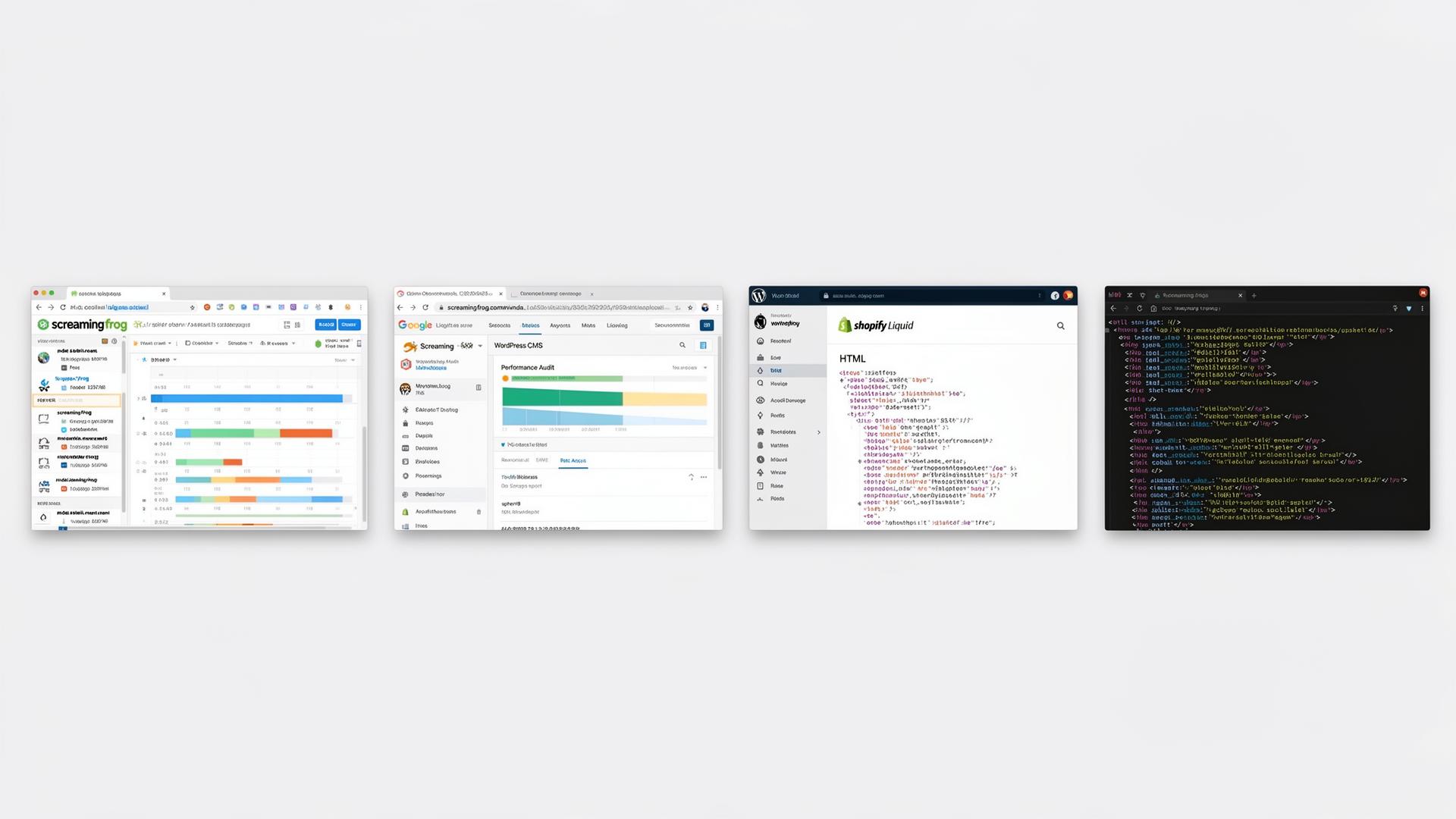
Code-aware technical SEO audits
My technical work goes beyond surface-level checks. I use tools such as Screaming Frog and browser-based debugging workflows to investigate crawlability, indexation, metadata, canonicals, hreflang, internal linking, redirects, rendering issues, and template-level inconsistencies.
CMS, templates, and implementation collaboration
I'm comfortable working across WordPress sites, HTML-based environments, and Shopify or Liquid-based setups, as well as broader SaaS and custom website infrastructures. That includes working with developers on optimized templates, content structures, and page components.
Speed, rendering, and technical debugging
I look at technical SEO in the context of performance as well as discoverability. That includes page speed, Core Web Vitals, rendering behavior, image weight, and broader technical quality signals using Google DevTools, browser developer tools, and crawler data.
Working in sprints with product and development teams
I work well in Agile or sprint-based environments where technical SEO has to be prioritized alongside product, engineering, and commercial needs. That includes writing actionable recommendations and aligning with development teams.
Complex migration planning and validation
For migrations and structural changes, I support large-scale crawling, URL mapping, pre-migration validation, post-migration QA, redirect checks, canonical consistency, hreflang verification, and monitoring after launch.
Prioritization based on systems and dependencies
I prioritize technical SEO work based on likely impact, engineering effort, business goals, existing team dependencies, and the realities of the current system architecture.
How I approach technical SEO
I don't hand back a 200-line audit and call it done. I tell you the few fixes worth your engineers' time this quarter, and write them up so your developers can act on them.
I focus on impact first
Not every technical issue deserves equal attention. I prioritize the changes most likely to improve crawlability, indexation, visibility, user experience, site quality, and long-term maintainability.
I connect technical SEO to business context
Technical fixes matter more when they support market goals, content performance, international expansion, conversion-oriented growth, or product discoverability rather than existing only as isolated tasks.
I work from audit to action
I do not treat audits as the end product. I treat them as the starting point for clearer implementation planning, better stakeholder alignment, and more realistic execution.
I work well in complex technical environments
My background includes multilingual websites, enterprise-style programs, large content sets, sprint-based teams, and technical debt situations where structure, prioritization, and implementation constraints matter.
Common technical SEO issues I help fix
Examples of issues I've worked through include:
These are not hypothetical examples. They show up across real audit and presentation materials, and they're the kind of problems that quietly drag down crawlability, indexation, and organic performance. For location pages, Google Business Profile support, and Maps visibility, see my local search technical SEO work.
What this work is designed to improve
Depending on scope, I work on:
- Crawlability and indexation
- Search visibility for important pages
- Metadata quality and CTR readiness
- Internal linking and structural clarity
- International SEO consistency
- Structured data coverage
- Migration readiness and post-launch stability
- Site speed and Core Web Vitals-related performance issues
- Page quality signals and template consistency
- Reporting clarity and implementation prioritization
Selected examples of technical SEO work
A few examples of the technical SEO work behind the strategy.
What teams usually need
A short list of the fixes worth engineering time, not another 200-line export from a crawler.
What gets reviewed
Crawl and index states, canonicals, redirects, hreflang, internal links, templates, schema, and rendered HTML.
What makes the work non-commodity
The recommendations are tied to page sets, business impact, and QA steps instead of abstract severity labels.
Technical SEO audit sample for revenue pages under pressure
The BePerfectSystems sample focuses on keyword decline, technical blockers, content-quality signals, and a remediation order tied to recovery rather than generic crawl hygiene.
View BePerfectSystems sampleCompetitive audit and migration planning for multilingual SaaS
The GetResponse work combines non-200 hreflang URLs, heading duplication, low-value pages, oversized assets, and migration planning into one roadmap so technical debt and release risk can be handled together.
View GetResponse sampleInternational SaaS roadmap with template governance
The Trengo plan covered sitemap issues, duplicate URLs, missing canonicals, redirect cleanup, page-experience gaps, and multilingual scaling constraints in a single operating plan.
View Trengo sampleRelated technical SEO guides
These supporting articles are built to capture the informational queries that sit next to service intent, while reinforcing the same diagnosis and prioritization approach.
Technical SEO audit checklist
A prioritization-first audit framework that focuses on diagnosis, ranking the work, and implementation decisions rather than turning a crawl export into noise.
Read the audit guide →Crawled - currently not indexed diagnosis
A practical framework for separating low-value, duplication, rendering, and internal-support causes when Google crawls a page but does not keep it indexed.
Read the diagnosis guide →Discovered - currently not indexed diagnosis
A guide to the crawl-priority, internal-link, and site-quality patterns that usually sit behind pages remaining discovered but not crawled.
Read the crawl-priority guide →Website migration SEO checklist
A migration checklist built around launch control and recovery planning rather than generic task inventory.
Read the migration guide →How companies can work with me on technical SEO
Most technical SEO engagements are one of these shapes — pick the closest and we'll adjust from there.
Technical SEO audits and roadmaps
Best for teams that need a clear view of technical issues, priorities, and next steps.
Focused technical support
Best for specific needs such as crawlability, indexation, metadata cleanup, internal linking, hreflang fixes, structured data, speed optimization, or structured template improvements.
Migration and redesign support
Best for teams planning a site migration, structural change, localization rollout, or redesign with SEO risk.
Embedded support for internal teams
Best for teams that want someone to work alongside content, development, or product stakeholders to improve technical SEO quality over time.
Recruiter or hiring manager conversations
Best for companies assessing fit for a Technical SEO Lead, SEO Lead, Senior SEO Specialist, or broader organic growth role.
Before you commit
How to judge a technical SEO engagement before you buy it
Most technical SEO proposals sound similar until you ask what is included, how the work will be ranked, and what you will actually receive. This is the practical frame I would use.
What the engagement includes
Technical diagnosis across crawlability, indexation, rendering, canonicals, internal links, structured data, templates, and the page groups that matter commercially.
How I prioritize
I rank work by likely business impact, confidence, implementation effort, and how broadly the issue affects templates or key page sets.
What deliverables look like
A shorter roadmap, affected templates or URL patterns, implementation-ready recommendations, and QA guidance instead of a long technical issue dump.
What outcomes matter
Cleaner indexation, stronger page support, fewer technical blockers, more confidence in what engineering time should go toward next, and less avoidable release risk.
What not to expect
Guaranteed rankings, every warning treated as urgent, or a bloated backlog designed to look busy rather than move the pages that matter.
How to hire an SEO consultant
Use this when the real buying question is how to judge fit, process, and credibility before you commit to any technical SEO scope.
Read guideSEO consultant pricing guide
Use this when you need to compare hourly, project, and retainer scopes without treating price alone as the decision.
Read guideWhy companies hire me for technical SEO consulting
Strong technical range
I'm comfortable working across metadata, headings, internal links, crawlability, indexation, hreflang, canonicals, sitemaps, redirects, structured data, performance-related issues, and page-quality signals.
Grounded in real audit work
I've run hands-on audits, built strategic roadmaps, worked on multilingual sites, planned migrations, and reviewed code alongside developers — not read about it in theory.
Built for cross-functional teams
I work well with content, development, product, and stakeholder teams to turn technical findings into practical actions, including in Agile delivery environments and sprint-based roadmaps.
Focused on growth, not only diagnostics
Technical SEO matters because it supports discoverability, user experience, scalability, and better organic performance over time.

Written and delivered by Umair Salahuddin
Independent SEO, AEO & GEO consultant with hands-on ownership of organic growth for SaaS, eCommerce, and multilingual sites — and builder of QueryArc, an AI-visibility measurement methodology. No outsourcing, no junior handoffs: the person you talk to is the person who does the work. More about me · LinkedIn
Technical SEO FAQs
Need technical SEO support that goes beyond issue lists?
Whether you need a technical SEO audit, crawlability and indexation improvements, hreflang support, structured data guidance, internal linking SEO improvements, speed optimization, or migration support, I'd be happy to talk.