Case study · AI-driven SEO
Omnije case study: testing AI-driven SEO and multilingual content growth in a niche technology market
Omnije.com was launched as a live experiment to test how AI could improve content creation and SEO workflows in a specialized niche: omnichannel communication technologies. The goal was not only to build visibility in that space, but also to observe how Google responded to AI-assisted, search-optimized content in a new website environment. My work combined SEO strategy, WordPress development, AI-assisted content creation, multilingual rollout through DeepL API, and performance analysis from the ground up.
10x
increase in clicks
2,249
impressions in 2 months
130%
increase in top 10 keywords
Multi
lingual rollout via DeepL API
Source: Google Search Console and Semrush
Project overview
Omnije.com was built as an experiment in AI-assisted SEO and content production. The site focused on omnichannel communication technologies, with the aim of gaining traction in a focused B2B-style niche while testing whether AI could help speed up research, production, and optimization without sacrificing search performance. Unlike a traditional client engagement, this project was also an experiment in process — allowing me to test AI-driven content workflows in a controlled environment, build a site from scratch, publish consistently, expand into multiple languages, and monitor how early search visibility developed over time.
Industry
Omnichannel communication technology
Site type
Content-led niche website
Core workstreams
SEO strategy, WordPress development, AI-assisted content creation, multilingual SEO, performance analysis
Business objective
Test AI's role in SEO and content creation while building early organic visibility in a specialized niche
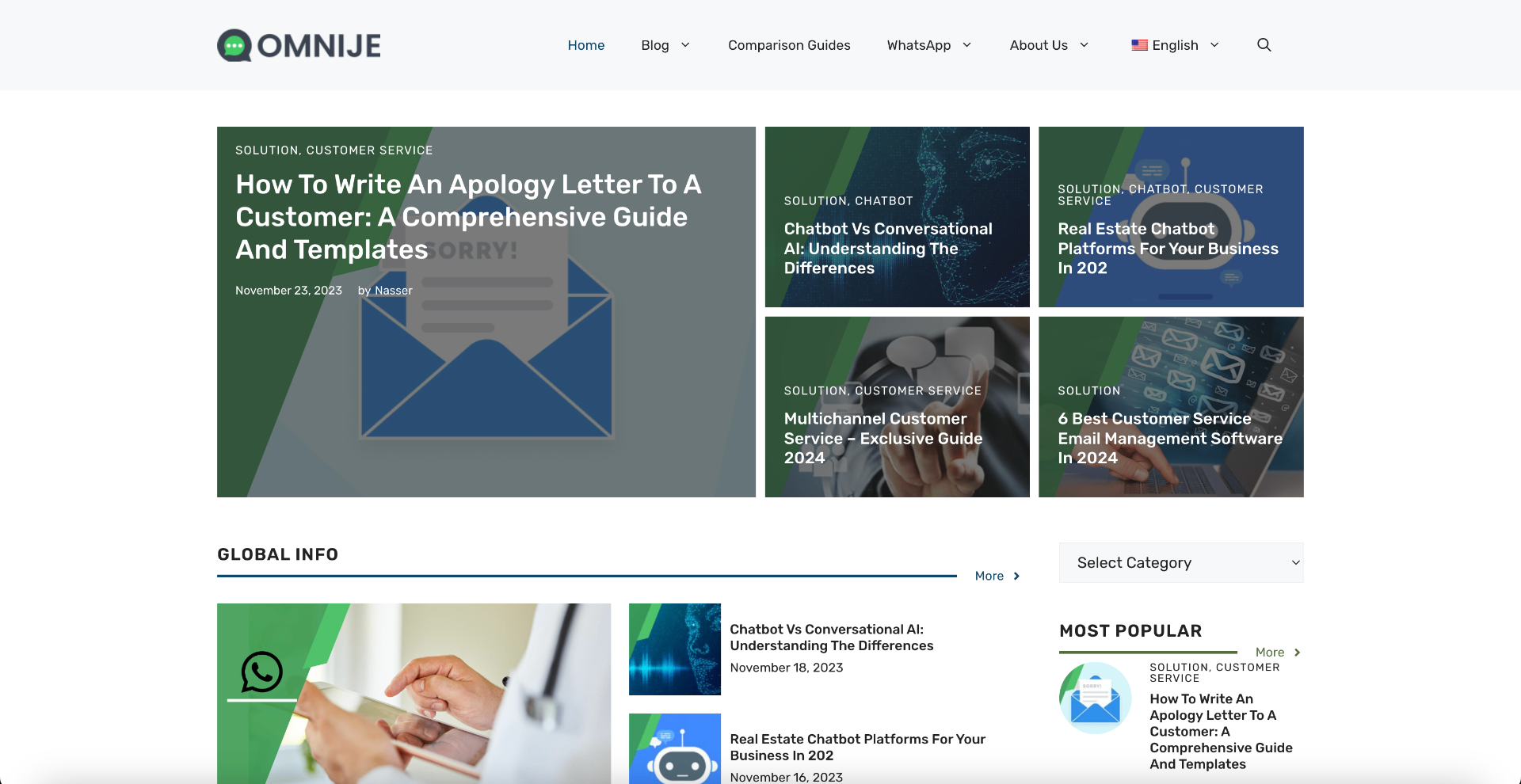
Omnije.com — the AI-driven content platform built to test SEO workflows in the omnichannel communication space
The challenge
The challenge was not simply to publish content with AI. The real challenge was to test whether AI-assisted content and SEO workflows could create meaningful traction in search, especially in a niche market where relevance, clarity, and technical execution still mattered. That meant solving several problems at once:
Launching a new site with no existing authority
Building content around a specialized technology topic
Creating search-optimized content efficiently without losing quality
Testing how Google would respond to AI-assisted publishing
Expanding into multiple languages to assess multilingual performance
Measuring whether AI meaningfully improved workflow speed and visibility
My role
I owned the project from the ground up, including strategy, build, publishing workflow, and performance analysis. This makes Omnije especially valuable as a proof page because it shows hands-on ownership across both strategy and implementation.
Crafting and executing the SEO strategy
Developing the website on WordPress
Creating content using a mix of AI assistance and human review
Integrating DeepL API to support multilingual expansion
Monitoring performance and Google's response to the content model
Later bringing in SEO analyst support to help scale publishing output
The approach
I built the project around one idea: use AI to speed up and scale content creation and SEO operations, while keeping enough human judgment in the loop to hold relevance and quality.
SEO strategy for a niche omnichannel communication market
I defined the site's search focus and built a keyword-led strategy around omnichannel communication technologies. The goal was an SEO foundation that could support topical authority over time.
Lean website launch on WordPress
I launched with a practical, lean setup using WordPress for site development and Canva for visual production — moving quickly from concept to publishing while keeping room to experiment.
AI-assisted content creation with human review
I tested whether AI could improve content workflow speed and SEO efficiency. Content creation combined AI support with human judgment so publishing could scale without drifting from search intent.
Multilingual rollout through DeepL API
I integrated the DeepL API to launch the site in multiple languages, adding an international SEO dimension and watching how AI-assisted translation might support broader reach.
Performance tracking and search-response analysis
I monitored clicks, impressions, and keyword movement to see whether AI-assisted SEO could create meaningful early traction.
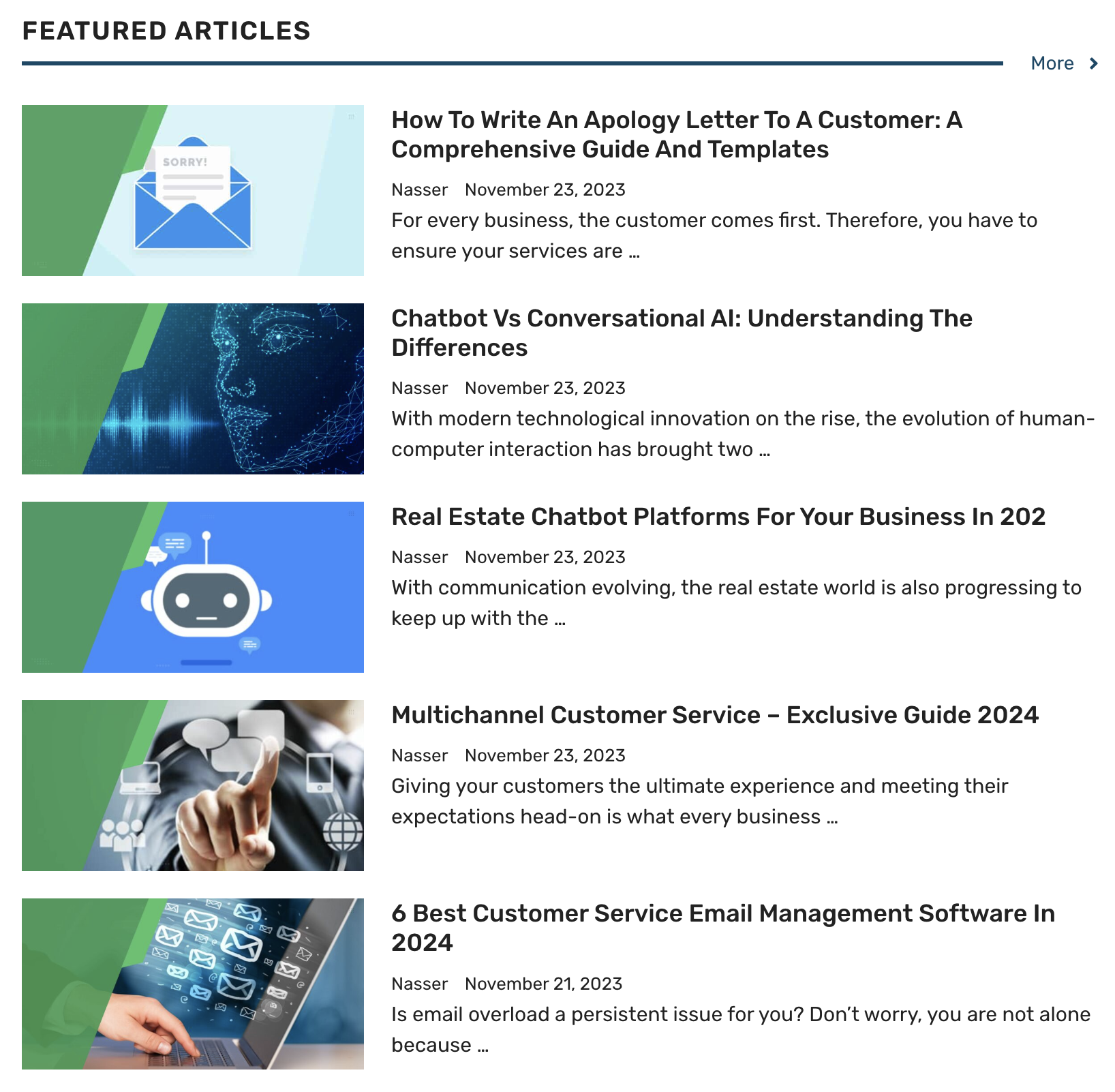
Featured articles — AI-assisted content covering omnichannel communication topics
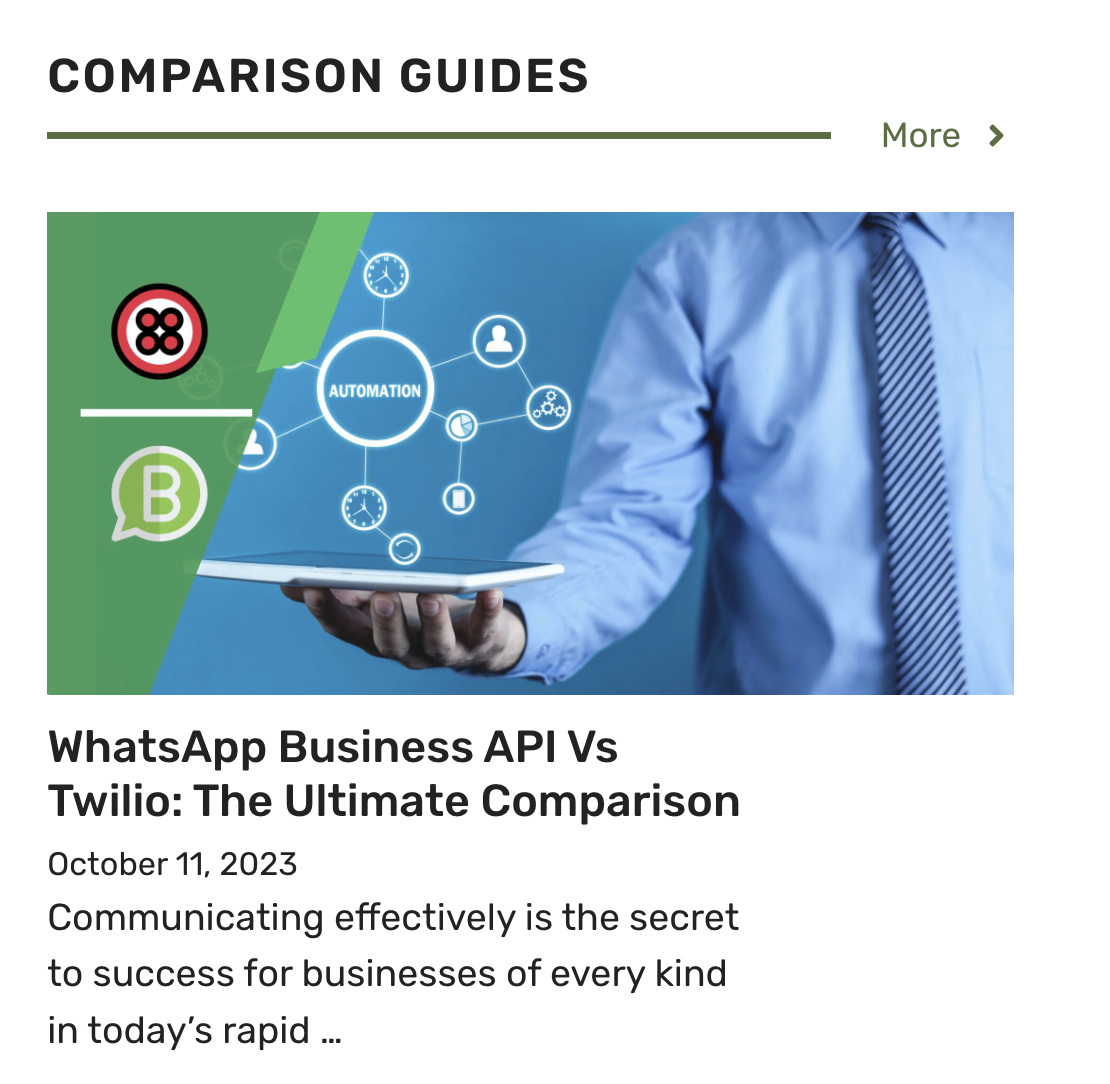
Comparison guides — structured content targeting high-intent search queries
Results
The Omnije experiment produced strong early results in a short period of time. These are especially strong signals for a newly launched niche site because they show momentum from a very low starting point, rather than performance built on an existing domain or established brand authority.
10x
increase in clicks
Clicks growing from 5 to 48 in just 2 months (Google Search Console)
2,249
impressions
From 9 impressions to 2,249 in the early project phase (Google Search Console)
130%
top 10 keyword increase
Rapid keyword ranking gains in a niche market (Semrush)
340
organic keywords
Growing keyword portfolio with 34% growth trajectory, per Semrush
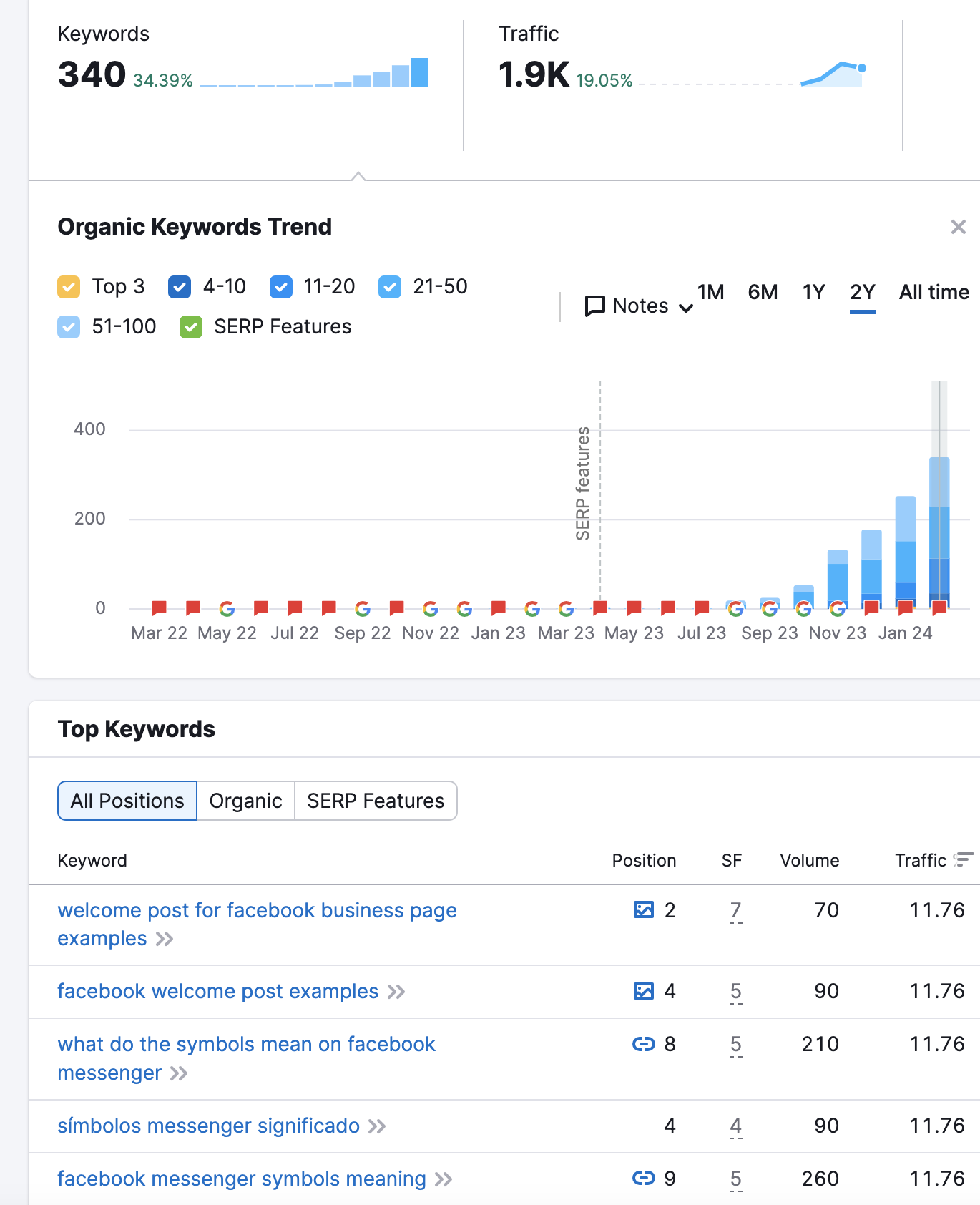
SEMrush: 340 organic keywords with strong upward growth trend
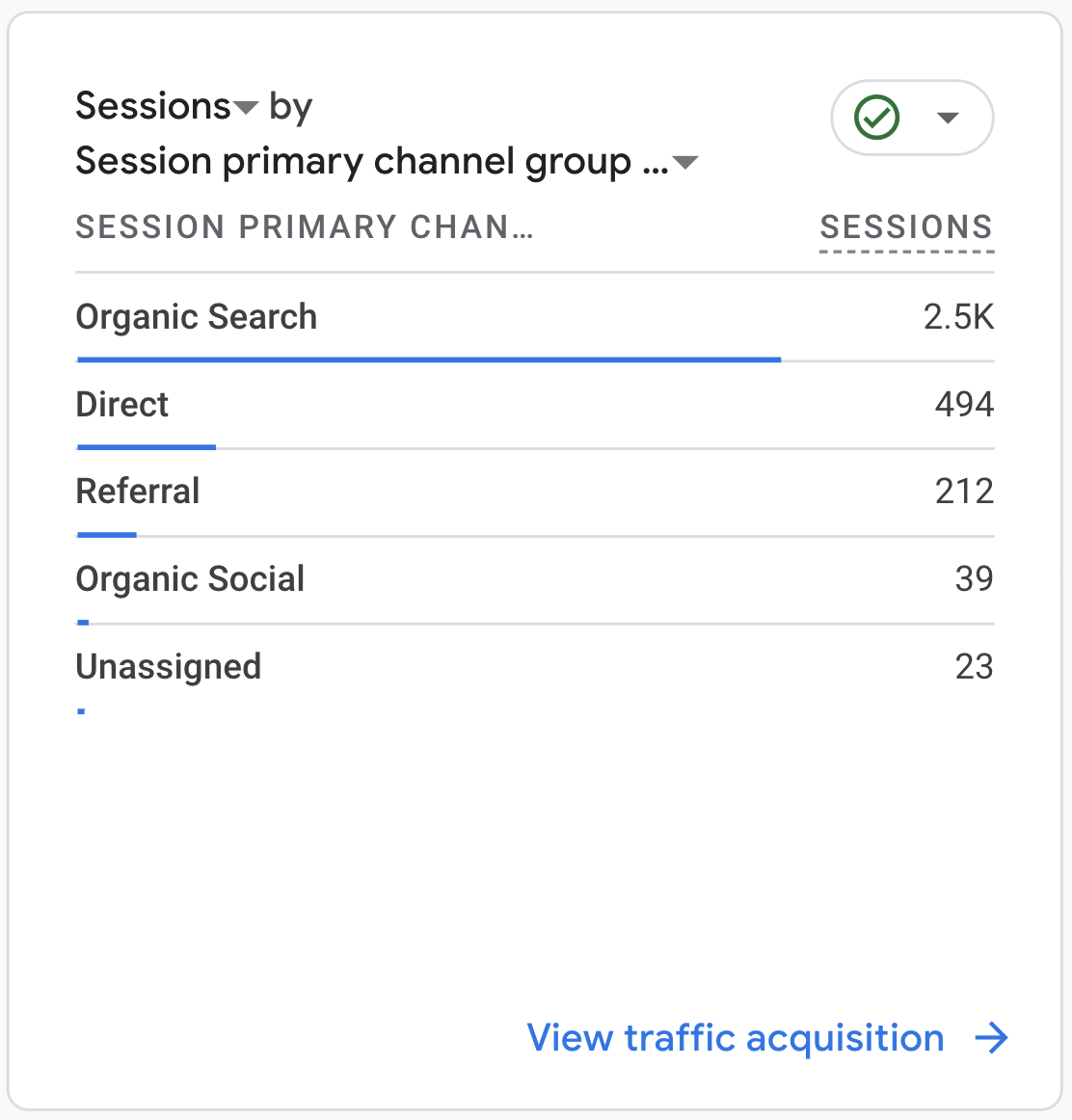
Google Analytics: organic search driving 2.5K sessions as the primary channel

Mobile content view — consistent publishing cadence across niche topics
Why this case study matters
This case study matters because it shows a different side of my SEO work from the larger operational stories like Trengo or LocalCableDeals. It demonstrates that I can:
Test new SEO methods in live environments
Build a site from zero with a clear search strategy
Combine AI workflows with human editorial oversight
Think beyond one-language SEO by adding multilingual experimentation
Use performance data to evaluate whether an emerging approach is actually working
For recruiters & hiring managers
What this shows recruiters and hiring managers
For hiring teams, this project demonstrates several important strengths:
Initiative in creating and testing a live SEO experiment independently
Ability to connect AI tools to real publishing and SEO workflows
Comfort working across strategy, technical setup, content, and analysis
Curiosity about how search behavior and Google's response evolve over time
Practical experience with multilingual and AI-assisted content operations
Key takeaway
Omnije shows how I apply AI in SEO as a real operating model, not a talking point. The project combines niche keyword targeting, lean site development, AI-assisted publishing, multilingual rollout, and early search validation in one experiment — a working example of AI-assisted SEO and how it holds up in live search.
Omnije case study FAQs
Need SEO support that blends strategy, AI workflows, and practical execution?
Scaling content with AI and want it to stay relevant? Tell me what you're publishing and where it's stalling.